(Disclaimer: None of what I say is to be taken for absolute truth. I write opinion pieces)
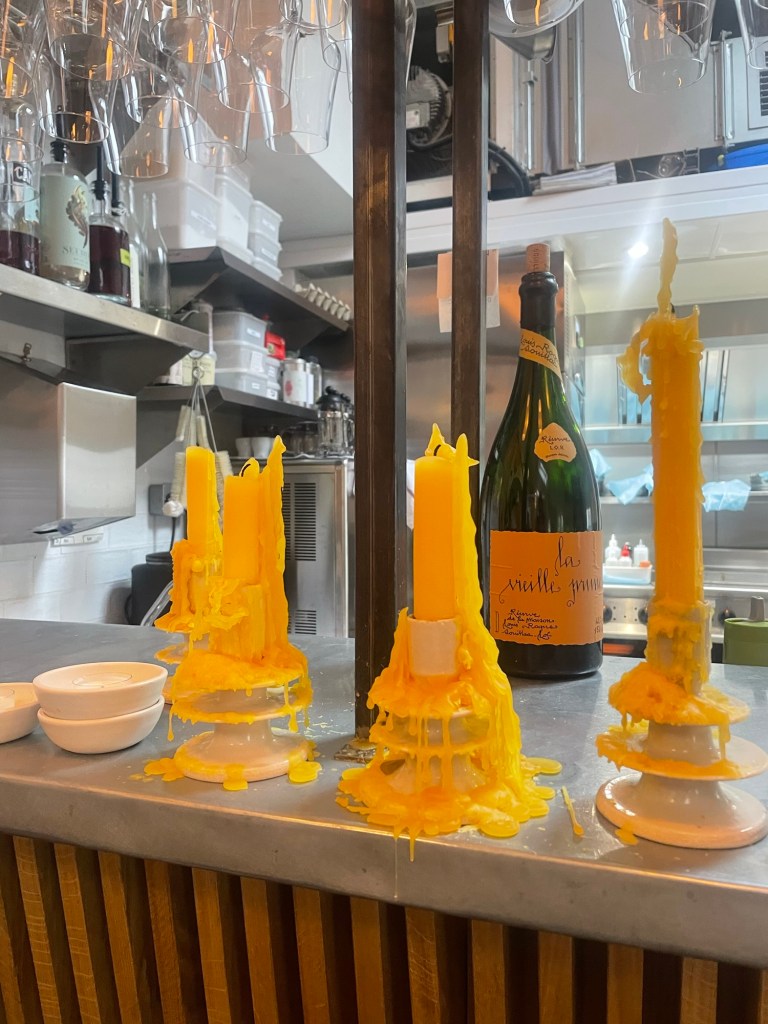
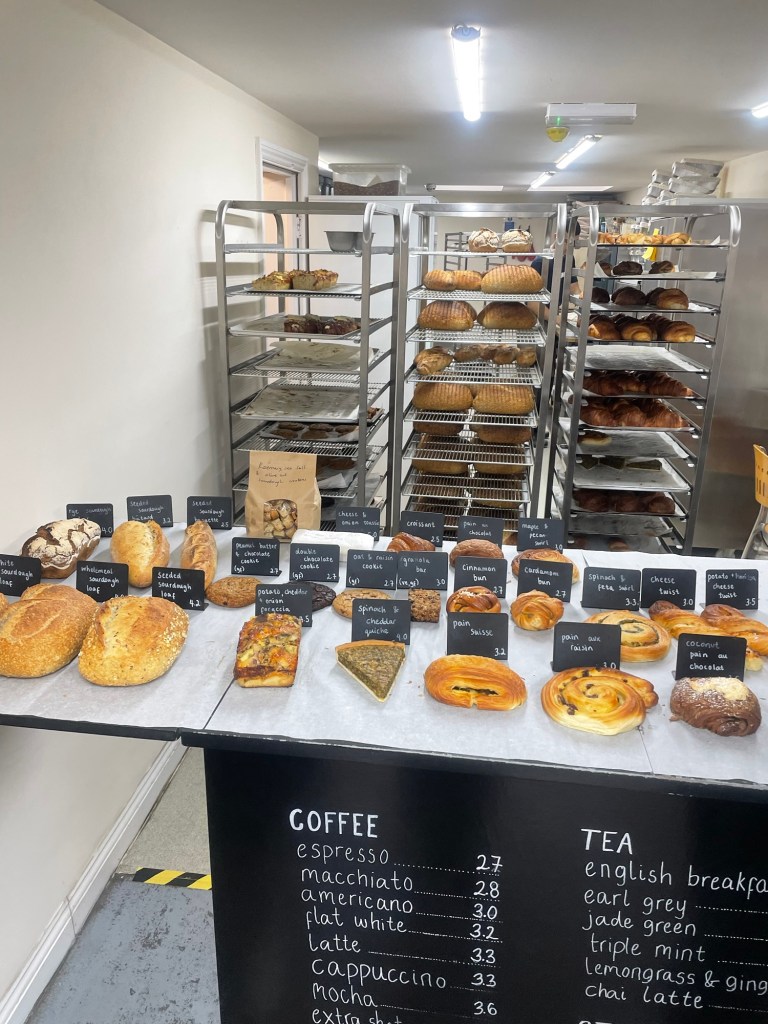
Whilst at university in Bath, I worked for this absolutely amazing bakery/restaurant, which over the years, has gained an extraordinary following, over the internet, in magazines and even in the Michelin guide. It is a place that puts local production at the core of its ‘raison d’etre’. They mill their own flour and make everything from scratch. They source produce from local and organic farmers. Sustainability is at the forefront of its values and it focuses on quality and long term progress.
Thanks to the quality of the ingredients and the final product, as well as its refined management and staffing, it has quickly become one of the best places to dine out, or get a coffee & pastry, in Bath, and the whole in England. Although it was always slightly more expensive than other places, (understandably, considering the amount of work that goes into this sort of production today, because it is no longer the cheaper nor easier route), it has become considerably over priced, and this is seriously problematic. Relative to success, prices have sky rocketed, making it inaccessible for people without the budget, creating a specific and intentional clientele: those who can and will continue to be able to afford it; designed for the middle class.
Who or what do we blame for this economic reaction ?
I think it’s time for us to regard the damaging role of trends. More specifically, micro-trends.
Micro trends exist today largely to the fault of social media, and the vast flow of information spreading on an international level. This mass flow also explains the surge, over the last century or so, of mass production and distribution throughout the globe. Reach was wider, so products where accessible to everyone, everywhere, and publicity, the thing that creates demand, was created for an international context. Demand became homogenous because of this global desire. That is not exactly what I’m talking about here, but it belongs to the same argument.
Micro trends are worse than simple ‘trends’ that have existed up until now, because they spread more quickly, and they end just as fast. There is more to be consumed, so we consume more. Because we consume more, further consumption opportunities are created. These micro trends create a terrifyingly large scale of demand, whether clothing, material possessions, foods, types of cafes or restaurants, travel destinations, and even lifestyles.
A considerable solution for fixing this harmful modern production cycle, would be to go back to basics. For us, and the huge consumers that we are, that means going local.
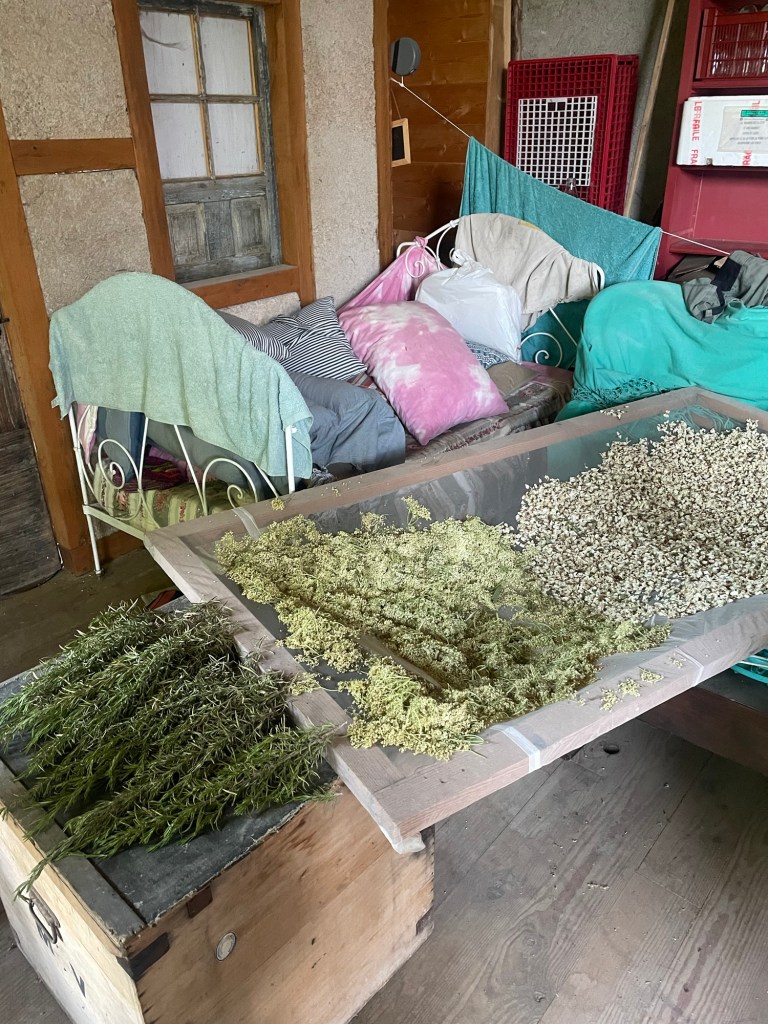
Going local today, is more effort, and more expensive, than it is to not. Whether the creator of a product, or the consumer, it is both easier and cheaper to take part in chain, and large corporation entreprises, than local businesses. Why ? Well that remains a long and complicated process, and I’m no professional. My simple theory is: We’ve built a system that favours the rich. Entreprises that make more money have more power. With more power you can make more, for cheaper. The cheaper you make something, the cheaper you can sell it for. Still making nice margins of course. The cheaper you sell things, the more you sell, so the more you make. Rich people buy cheap things too, so by making cheap products, you’re widening your target market. ‘Cheap’ means more income. Also, worse quality means having to purchase more often, with food that doesn’t nourish, clothes that don’t last and products that need replacing. Therefore, in the name of obsolescence, planned or not, the cheaper it is, the more you will sell, and more often.
Going local IS more expensive, but short term. We’re short sighted and we always want a quick fix, looking for efficiency in everything we do. On the long term, our quick cheap fix will be costing us more, in a lot of different and consequential ways. Not only with our health, but also, with climate change. Going international has meant a large need to transportation, and we’re impatient, so, fast and efficient transportation. Cargo ships, planes and lorries. It has also meant great opportunity for exploitation of both land and persons. There’s so much more to go into here but his isn’t my focus today.
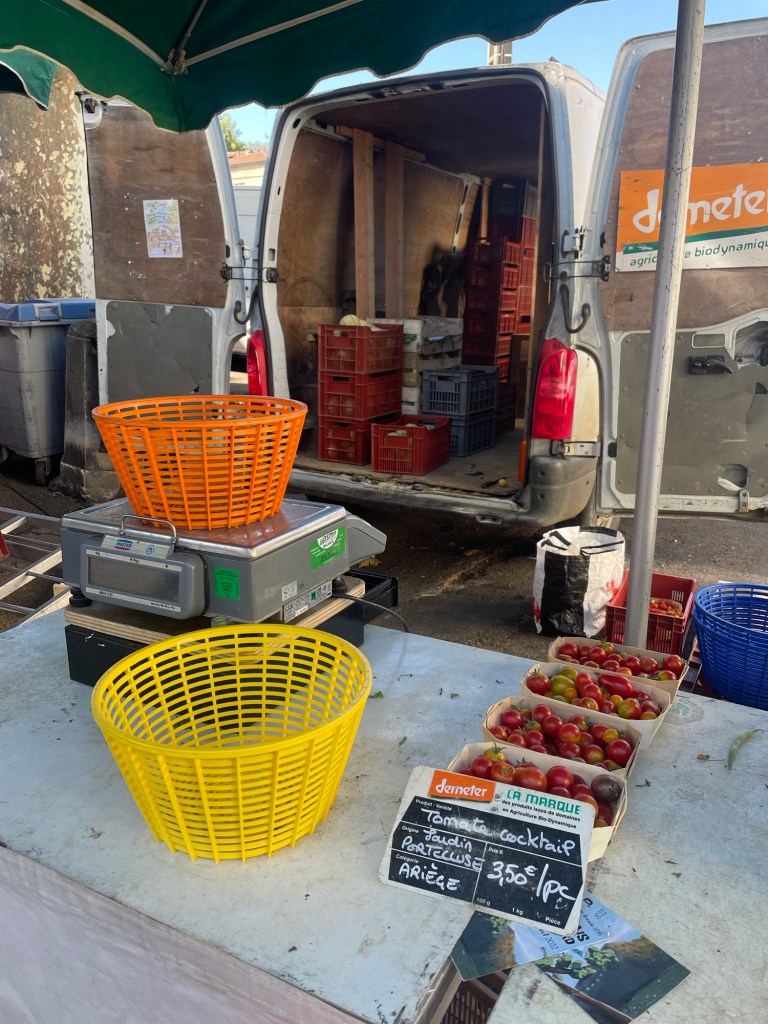
I currently live and work in a part of France called the Ariège. This small region nestled in the Pyrenees has often been joked about within my family as being stuck in time. When it comes to trends, it is always years behind. One of its core values and methods of functioning, as a small and slow moving society, is its focus on local production and consumption. Because of its difficult access (by this I mean no trains, slightly too far from cities, and no through way) it has often had to take care of itself.
This has now become its greatest strength. Although it is not as cheap to purchase from the local markets or supermarkets than it might be to go to Lidl, it has, over time, remained largely uninfluenced from social and economic trends. This sort of stability is important for people who bend their incomes around their consumption, as we all do. There are few places in the world, to my knowledge, that I could compare the Ariège to on a more local, sustainable and organic cycle of production.
Today, for the first time, the Ariège is starting to ‘trend’, for its natural hidden wonders, and largely for its quality of life. Although we might greatly benefit from a rise in tourism, it is as a consequence that we will, and are already, seeing a rise in sales prices, and a rise in specific economic groupe migration (ex: hipster or ‘bobo’ as we call them at home, meaning those with money who like to live like those without money).
Our progress is hindered when it comes to micro trends, especially through social media, and this covers so many areas, even music ! But I’m focusing on food, clothing and basic-need production cycles. Instagram for example has very strong lifestyle trends, where right now, going to restaurants,cafes and markets with a local and sustainable focus is highly valued. This trend is making these places ‘famous’, and with that, prices shoot upwards. This shift in perception towards a fundamental and natural cycle of production forces people without the budget, who in the past relied on this way of life, to purchase cheaper and therefore, worse, produce.
It makes something basic and fundamental, inaccessible, once again, directing it into the hands of a richer class.
This is just my theory, but honestly, I think it has a lot to stand on. This sort of situation happens within a lot of areas, and it’s so recent that we’re only now starting to deal with the consequences. Another area this is harming for example is travel. I remember learning last year, that in Koh Lanta, there is a huge tourist migration during the summer season, lasting 3-4 months, where businesses and hotels have to bend to the demand and influx of travellers. When the season is over, most are left totally abandoned. During this down period, the entire island is covered in litter. Their waste disposal solution is calculated based on tourism and tides.
The tourists come at the right time, when the tide goes inwards, into itself (I don’t know the official term for this, I was explained it by a local), which makes it an easy and invisible dumping ground for landfill. Tides change during the season when the tourists leave, and with that comes all the landfill, back to the shores, onto the beaches. That is where the rubbish stays until the tide comes to take it away again. The influx of tourism in certain places for such a short amount of time is hugely problematic, and damaging to both their socio-economic and environmental development.

I think it is within the power of our generation, to change the hold that micro trends have over our consumer and lifestyle habits. It takes authenticity and judgement, we can never be perfect but we can try.
 SED Artist
Leave a comment