I have just finished volunteering with disabled and disadvantaged persons in Danang with Volunteer Vietnam, and I have learnt so much ! One of the things that captivated me from the get go though is how difficult it can be to communicate with the people in care when in a different country. A huge part of my experience here has been subject to language barriers and overcoming them. Naturally, as I am travelling, it is usual to run into a few challenges when it comes to language and communication, but, I am fortunate enough to speak English with which it is easy to communicate internationally. Sometimes though, English is not enough.
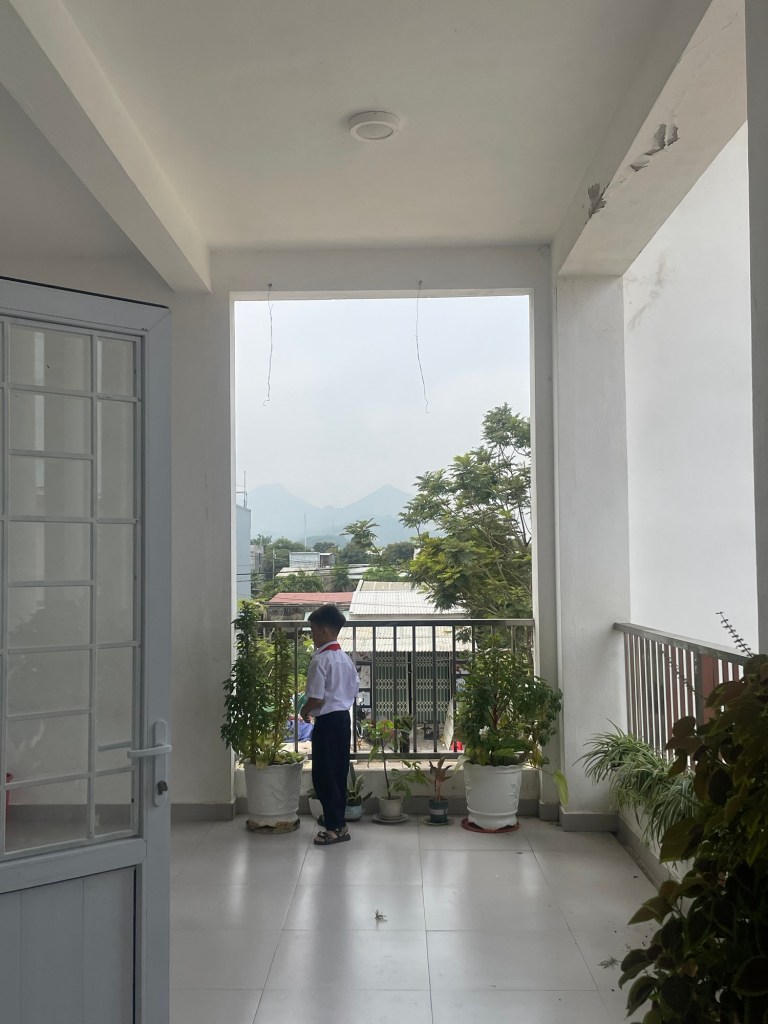
There is such a variation when it comes to the things that language allows and restricts; so many things that we might never truly be able to voice and share because there are simply no words to do any of it justice.
Through different cultures and languages this is obvious on a small scale. Japanese for example has a certain way with words, where profound meanings or beautiful sayings are contained within a singular word. For example Komorebi (sunlight filtering through the trees) or Natsukashii (nostalgia for the past or close memory, something which gives you a slight smile). No wonder so much of our ‘feeling´ can be lost in the depths of linguistic mistranslations. The restrictions of our language regarding the explanation and expansion of the things we think, feel and know, is absolutely fascinating. This aspect to what we know as ‘truth’ depends heavily on our cultural and historical codes. The word compassion for example, derived from Latin means “with” (com-) and the root “passio” means suffering. In other languages like German and Swedish for example, it is translated by a noun formed of an equivalent with the word that means “feeling”. The word “compassion” then becomes condescending, through entomological roots, subconsciously marking the other as the inferior. In languages that form the word “compassion” not from the root “suffering” but from “feeling,” finds a space in language that remained wholly positive. Here its etymology gives the word strength, filling it with empathy. It means to have “co-feeling” whether that may be in anger negative or positive light (Kundera explains this beautifully in The Unbearable lightness of being). I think this really quite simply demonstrates how a simple word can be communicated and miscommunicated depending on who is saying it, who they’re saying it to, which language they’re saying it in, and the place from which the language has stemmed.
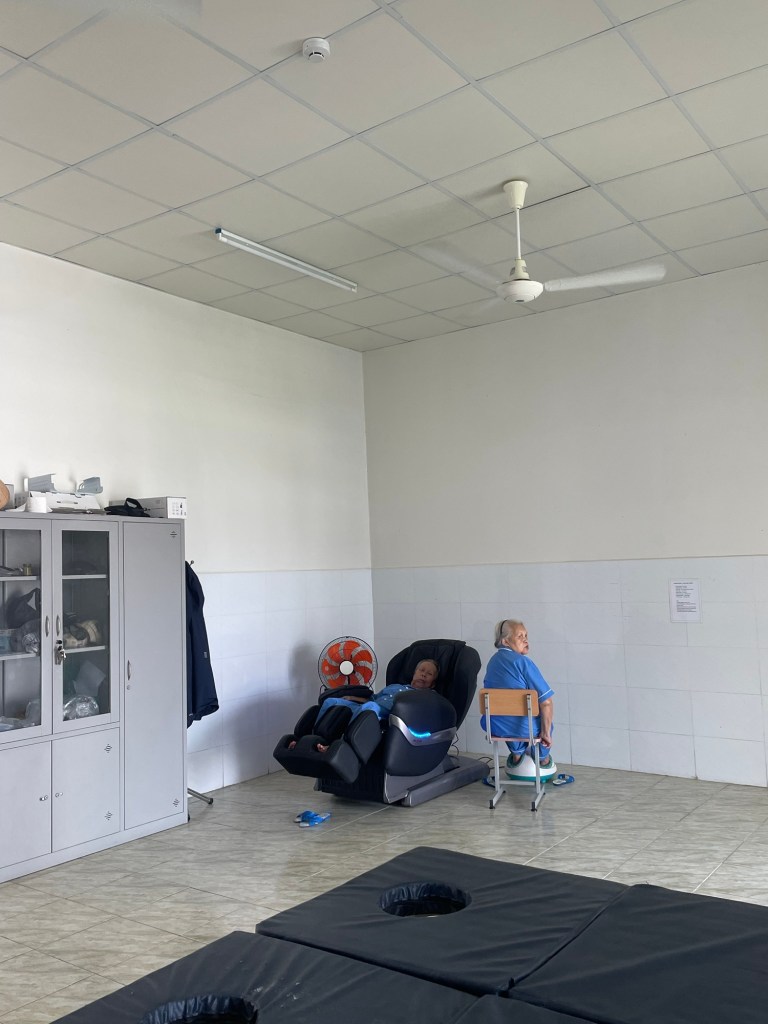
There are different ways we all attempt to communicate with each other, whether that may be people who don’t speak our language, or people who do. There is a certain and specific emotionality I think to the ways in our communication methods, and I find that for me, that differs from one person to another. There is no specific manner in which I communicate with people over and over again, but rather there is a fluctuation which occurs dependant on environnement, circumstance, and of course, the person on the receiving end.
It can be really difficult I think, to figure out every individuals preferred methods of communication. Generally, you speak to them, and then based of conversation, body language and a persons energy, you develop, together, a means of communication which works for the both of you. The same applies with the people I have been volunteering with, the people in care who are disabled, or elderly, or young, but I think you have to deconstruct the things you thought you knew, and learn them all over again. Body language is different of course when the persons body and their use of it, is different to your own. A child might not understand specific use of facial expressions nor be able to read or give required body language for certain situations. This might also apply to the elderly, mainly regarding body language, because of the evolution of their body and health as age progresses. All of these are things you have to take into account, because they will vary far more from case to case in comparison to people who are not affected by disability nor age.
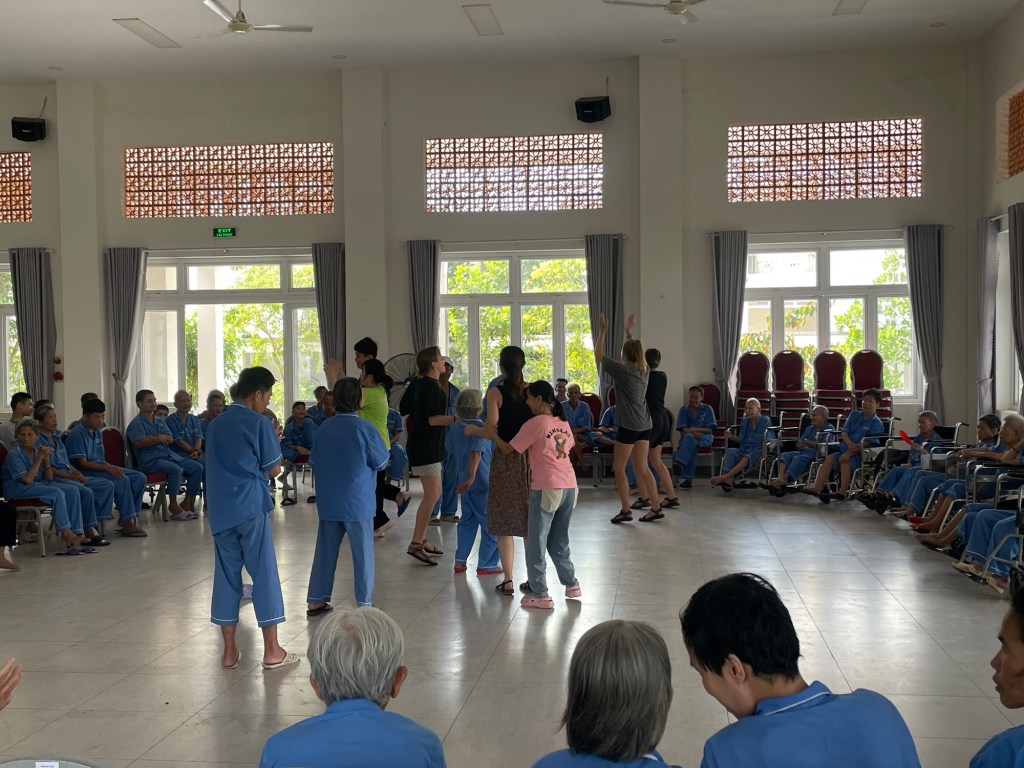
Writing about this last week, I found it really difficult to construct anything that didn’t sound completely cheesy and obvious. I just really didn’t feel comfortable at all in the subject matter considering I didn’t fully understand it. Initially it felt like I was really discussing love languages and how those vary from person to person, but it’s really not what I’m trying to explore. I have not mastered communication without language yet of course, but the progression between my first week and my second is significant.
We were thrown into the deep end in the first day , especially when I came to spending time with or caring for disabled people. I had never worked with anyone disabled in the past and felt really uncomfortable when I was left to entertain children who did not speak, let alone speak english, and who could not move nor do anything by themselves. I felt way out of my depth. Gradually though, by seeing them every day and watching the carers, I felt I could take from people around me what I saw as effective and bring in my own little fundamentals to the mix. Just ‘observing’ and ´doing’ really helped when it came to giving the energy, love and care that I felt was needed and that I felt able to give. By spending time with them, with anyone really when it comes to it, you learn the little things that make them giggle and smile; it is the most rewarding thing to see. It may seem small but oh my goodness you realise the impact that joy can have on people and you realise how easy it is to forget how life changing a touch of happiness can be.
Watching your own impact is such a boost to your confidence regarding ‘social skill’, and it extends to a larger group of people than those who are like you. You really learn social skills with Humans rather than just those who are similar to you; I think that might be rarer than we think. When that confidence grows, so does your ability to spread whatever it is that the people you are helping with need. Not having that confidence can really have a negative effect. In the fear of being around and communicating with people who are so different to you, you also cut off genuine connection, empathy and kindness. This really does isolate whoever is on the receiving side.
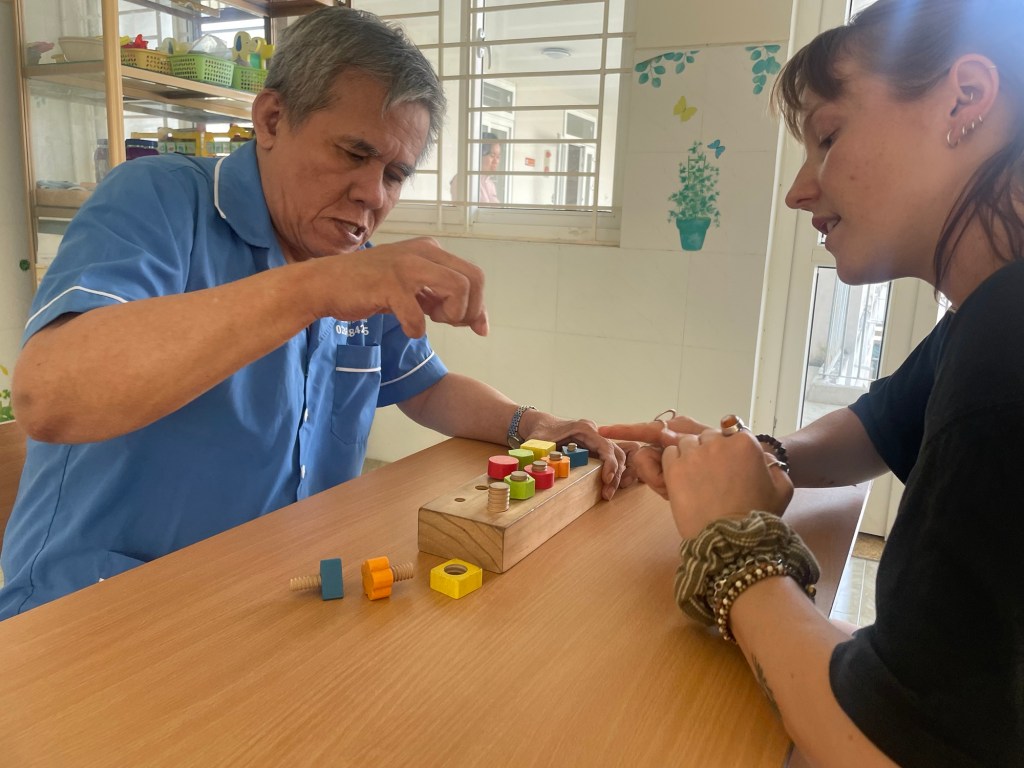
During one of the activities with disabled children, I spent a lot of my time with one little girl in particular. I found I connected with her by doing what she was doing, imitating her and and then letting her imitate me, reciprocating that cyclically. A social worker who was present at the time, explained to me afterwards that this is called intensive interaction. It’s a non verbal form of communication whereby to bring them out of their little world, you need to enter it and become a part of it by copying them. This way really what you’re doing is building trust, and little by little you can introduce something that they can copy and then slowly bring them into your world. This works as a serve and return and slowly dissolves the communication barrier.
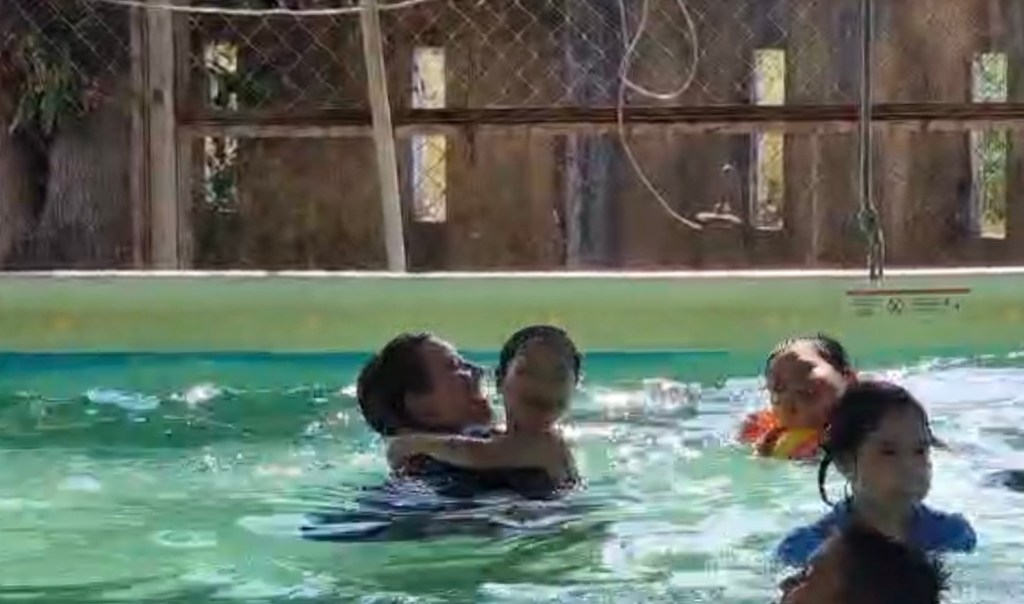
When you develop self assuredness in this area though, you notice people starting to recognise you and develop some sort of feeling or emotional response to you. Using your energy to pull people into your world, in essence controlling what they’re feeling and doing, can be a great thing for people who don’t have the strength to be or become by themselves. For example when going to spend time with the elderly in care, dependent or independent, simple joy is oddly powerful. If you show people that you want to be there and that it makes you happy to be in their specific company, then your joy and energy is going to be so captivating and enchanting that they will not be able to resist the urge to be joyful with you. It will become a shared experience. I think that’s the key really, making everyone feel like you’re sharing these moments, these feelings; they aren’t just yours and they aren’t just theirs, they’re shared and they will remain so in moments of nostalgia.
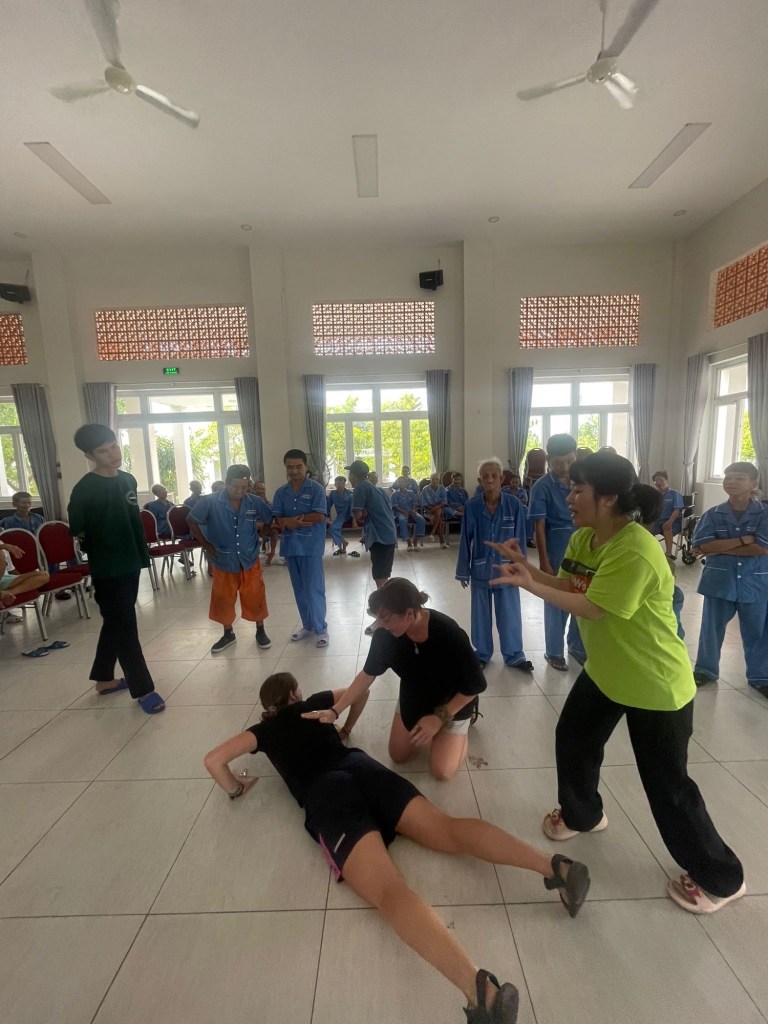
There are so many moments and lessons that I will take away from this, and I surprisingly found myself feeling like I had what it takes to help, at least a little bit. For someone who’s always considered herself to be a ‘animal person’ rather than a ‘people person’, there is a warming comforting feeling in knowing you’re more of a human than you thought.
In most of my experiences over the past two weeks, the moments where I have felt communication is most effective was always over shared experiences and emotions. Winning, losing, struggling, being angry or frustrated, feeling sad or scared, being happy, and sharing your experience of that with another person. That’s where true connection really lies. I guess then the term compassion and it’s entomological roots in ‘feelings’ rather than ‘suffering’ is maybe my definition of communication. Having, sharing and being with another person in feeling and emotion, no words, just presence.

As a side note:
Writing is one of the things I am the most passionate about, so I cannot attempt to dissuade myself, or others, on the art of words and language. Why would I ?
There is such beauty, not in the words themselves, but in the way that the person using them will string them together like a melody. Our way of using and understanding words can be surprisingly individualistic and I really do believe we can say so much more than we usually do . We simply have to put our own meanings to them and use them to their full potential.


 SED Artist
Leave a comment