BEYOND THE FRAME
Sometimes I worry that there is no truth in photography. On the contrary, the role of photography is that of deception. To deceive one’s public, isn’t that what it means to be a successful photographer? The public continues to believe the reality portrayed in the images they see, contrary to what they know to be true and logical. The viewer understands the role of the photographer in the creation of the photograph, and although they are told not to instantly believe an image, they continue to do so. It is in this way perhaps that photography is more deceiving than a realistic painting. A painting is knowingly, by both painter and public, carefully crafted from the artist’s point of view. Even in realism, there is no possible ‘absolute truth’ because everyone’s position and perception is skewered and unique. Because of the visible process that goes into a painting, everybody comprehends this. With photography however, the role of the cameraman is subtle and it is within their own power to choose to unveil, or not, the significance of their role. In essence, the photographer is a manipulator.
Now what’s interesting about this is actually the discussion with liv that followed. We have different mindsets when it comes to our study of the world, but in the end, we both end up circling back to very similar ideas. Our conversation sparked from the idea of knowledge, and truth, and the extent to which we can successfully obtain either. Liv studies psychology, whereas I veer towards art and literature/philosophy, so the navigation of this was intriguing. For once, we started off at opposite ends to the positions we usually take, Liv argued the possibility ‘we can never truly know anything´and I countered. We loosely danced around these statements, and centred our arguments on different people’s approaches to discussion.
We both agree on how detestable it is for a person to enter a conversation with their argument, which they refuse to let go of, defending it selfishly until the end, leaving no space for discussion nor alteration of thought, mindset nor belief. Not even space for an agreement in the face of disagreement. The instance where someone will sit opposite you, and condescendingly argue their point, falsely hearing yours and then discarding it completely, is a completely intolerable and frankly rude way to approach any sort of conversation. How can someone be so certain that their words contain ‘absolute truth’, so much so that they cannot be contested. This surely halts any possible progression for further knowledge. There is some concerning elitism too, whereby they get to pick and choose their sources, creating their own personalised reality.
This discussion acted as tumbleweed, stumbling from idea to idea, navigating what it means to ‘know’ and how little truth things might actually be putting forward. There is a specific statement regarding language and all that it does not encapsulate which I am really excited to discuss, but I will talk it about in one of my next blogs. The reason for this is my arrival at my two weeks of volunteering in Da Nang, Vietnam, working with children and disabled people. Navigating communication without language as a medium is challengingly beautiful and essentially incredibly human. So ideas on this will follow, but right now I remain on the subject of truth, mainly as circulated in photography.
Although my statement about the manipulative role of the photographer may come off as pretentious and cynical, I don’t intend it in a completely bad way. I understand the negative connotations tied to word, but would like to disassemble that a little, by attempting to explain what I mean, in a less sardonic manner.
In my third year artist dissertation, I spoke of the ways advertisements employ semiotics and symbolism as a means to exploit the unconscious and manipulate the masses. Semiotics is a way of seeing the world in which the individual unconsciously interprets the meaning of surrounding signs and cultural codes. The meaning of these symboles and our interpretations of them lie within the context of cultural and historical references but are equally dependant on our own thoughts and actions. In this study of semiosis, I want to focus on photography and the problems the revolve around the concept of photography as ‘seer’ or ‘visionary of truth’. Liz Wells wrote particularly well about this in ‘On and beyond the white walls’ explaining the issue between ‘reality’ and ‘representation’ where the photographer transcends recordings of events, but by doing so, from their point of view, offer a unique perspective that cannot be pure nor be unconditioned by time or place. The photographer plays a role in their photography just as an artist would in their creation. An example of this, in a common situation, would be travel photography. When you’re taking pictures of the beautiful places you’re visiting, it is only natural to try and cut out the tourists or the bins or anything that might tarnish the potentially dreamlike and utopian picture.
In some ways, similar to advertisements, we enrol into a sort of latent meaning transfer. Regarding ads for example, Debord states that “the real consumer becomes a consumer of illusion”. This is not only the case for publicity and marketing, but also in some ways the role of social media, travel photography and so many other things. Whether we use it as a means to convince ourselves or others, it seems we are all using similar techniques as advertisements but in everything we do. The most successful transfer of ideas has been created in visual communications through psychoanalysis and semiosis, the methods of these remain largely artistic. As studied in my dissertation, and with depth I cannot go into now (but can link to below), I concluded that two predominant forms of symbolism are psychological and visual. The psychological captures human experience, so maybe the possibility of travelling to other countries and sharing that, and visual symbolism, which would be comprised of things like color and composition. These can also collide. The visual becoming a means to the psychological. If you crop the bin and tourists out of an image and brighten the sun, you are manipulating the image and therefore, in some ways, the truth.
Advertisements are different to photographs in a sense that they remain auspicious to profit. John Berger determines that ads make one single proposal “to transform ourselves, our lives, by consuming something more”. It may use photography to do convey such ideas. It seems there is a spectrum to photography then, starting as a form of ‘pure art’ and digressing into ‘manipulation’.

There is an evident power in techniques used in visual imagery. This links back to semiotics; at an subconscious level, the consumer of the image is unable to resist latent meaning transfer. This happens either with a simple photograph on instagram or an image as part of an advert, and we feed into it ourselves. We are the buyer and the seller. Are we not all guilty of embellishing our ideas ?
I don’t mean that the photographer is a manipulator in a necessarily negative light, but there are certain aspects to one’s manipulation of images which might have some negative consequences, no matter how big or small. I think we are all guilty of this, seeing as how largely we now rely on images as a natural part of our memory and life story, which in itself is a very interesting way of rewriting the truth of our own lives, even to the smallest scale. The photographs will never be fully true, they are not as it happened in our memories, but they certainly do influence each other.
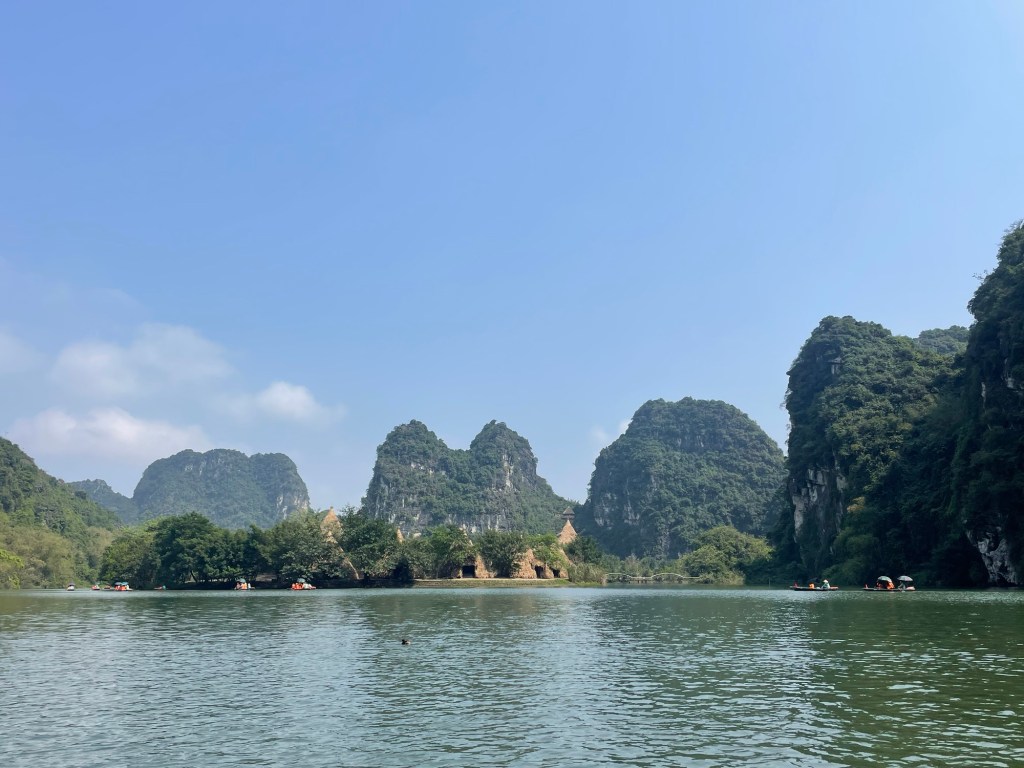
Forgive me for how messy this post got, I admit it’s a bit confusing at times. There are some of my dissertation which I tried to relay to some ideas I’d been thinking recently. Unfortunately I think they may still be a little loosely fitted.
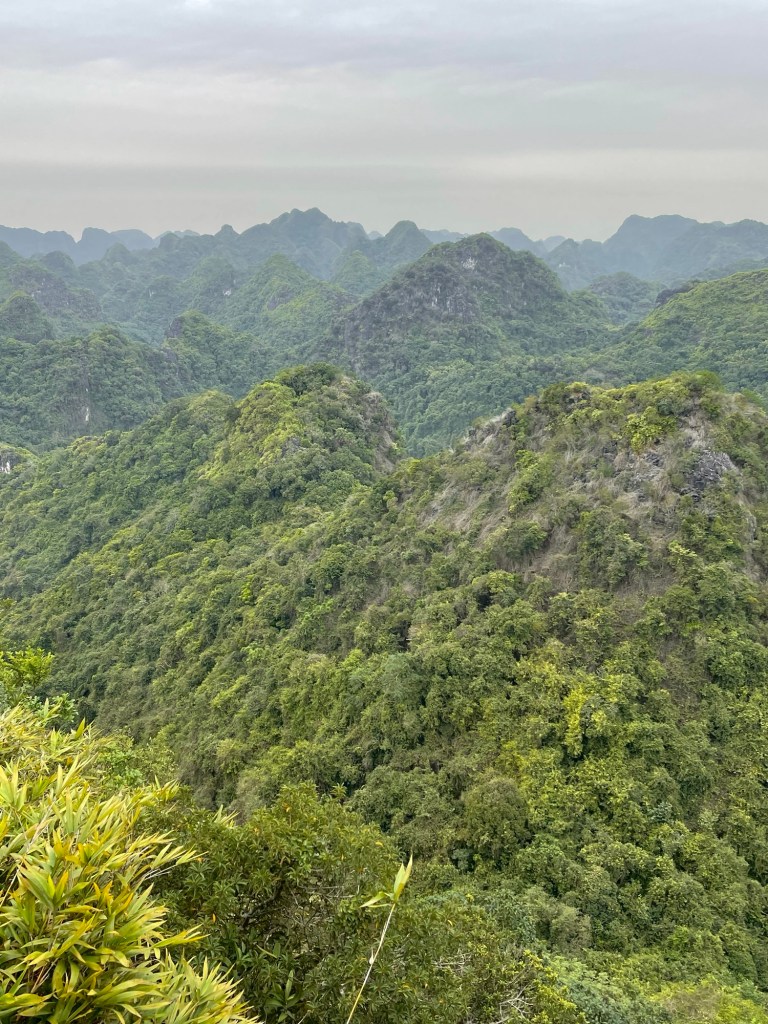
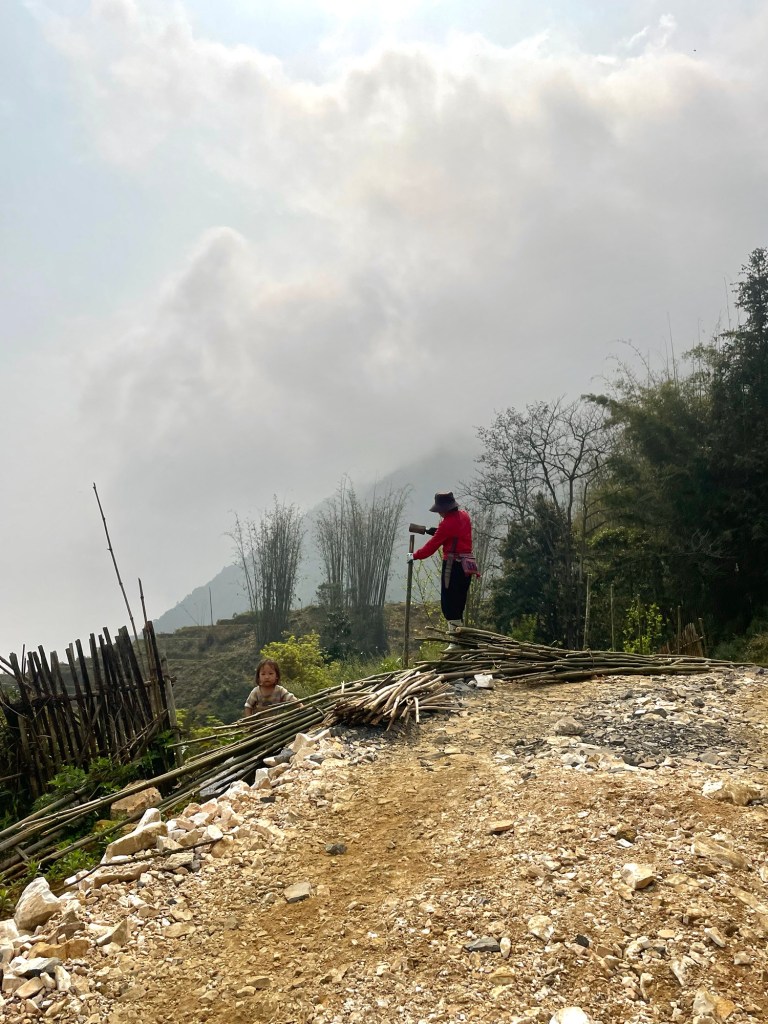
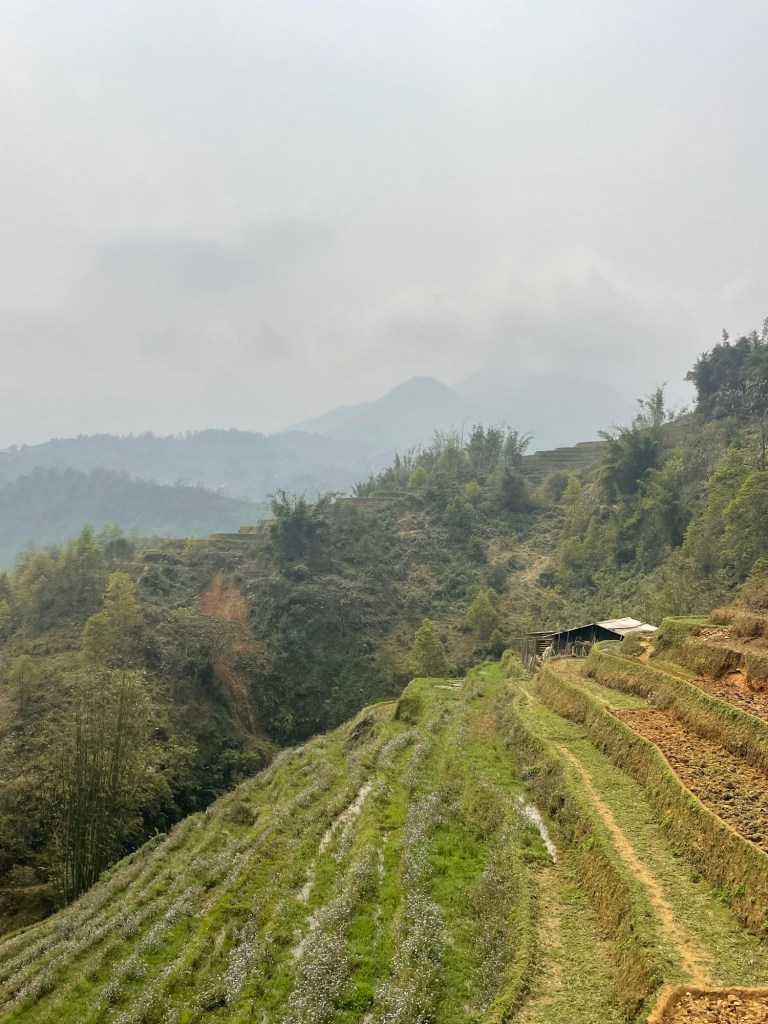
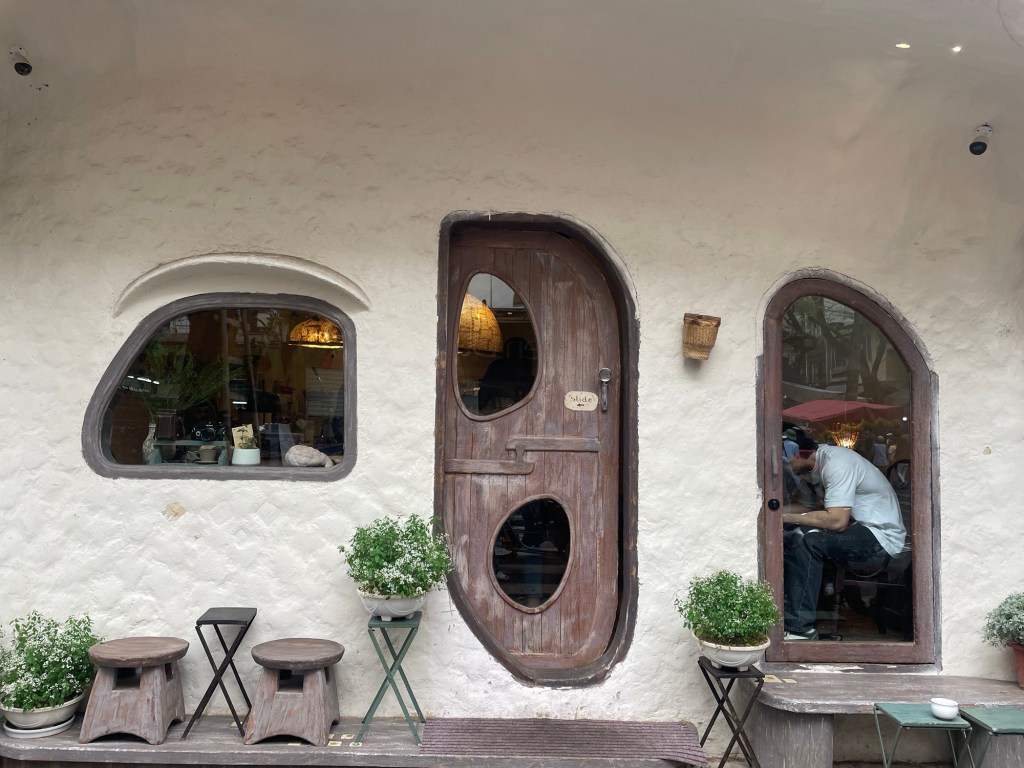
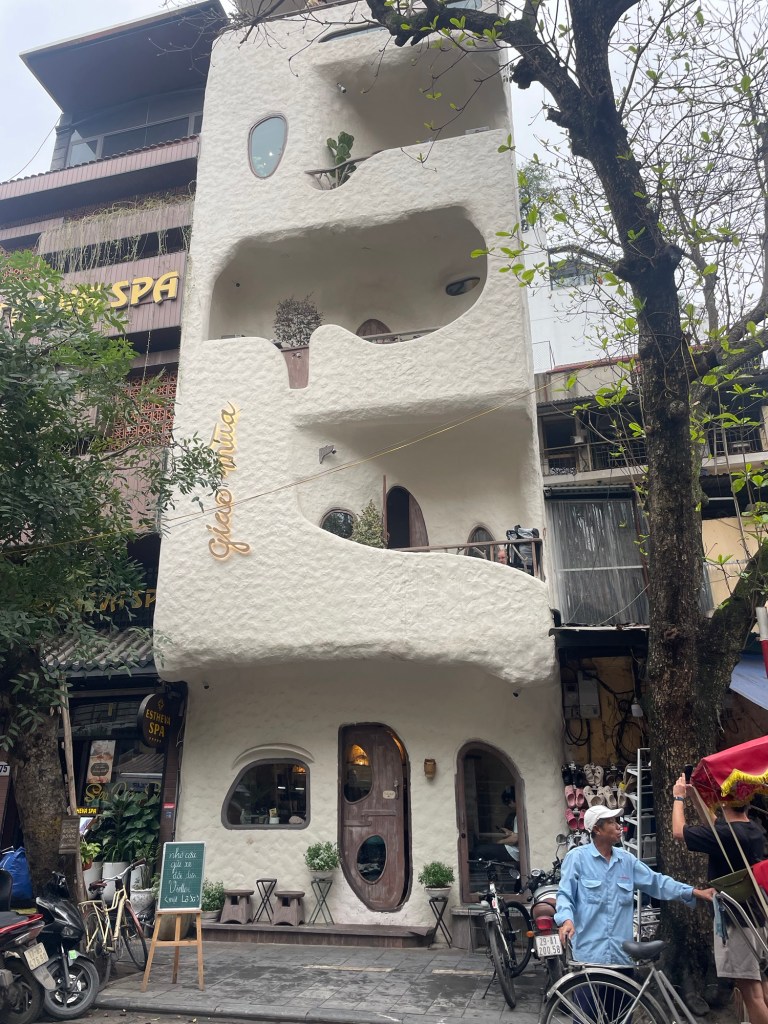
All the pictures I have inserted into this blog are some sort of variations of the truth. They are certainly beautiful and of beautiful things, but sometimes there were too many tourists, other times the building just wasn’t in a nice area, or the weather was grey and was really impacting our mood and ability to explore… here are some different versions of those.
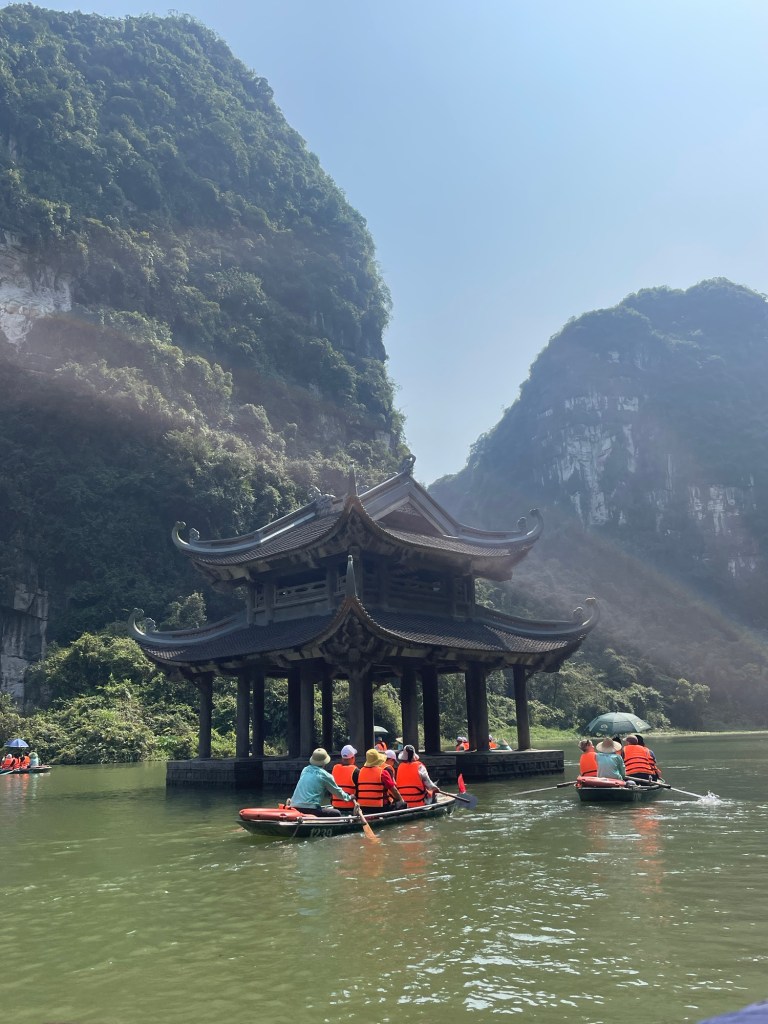
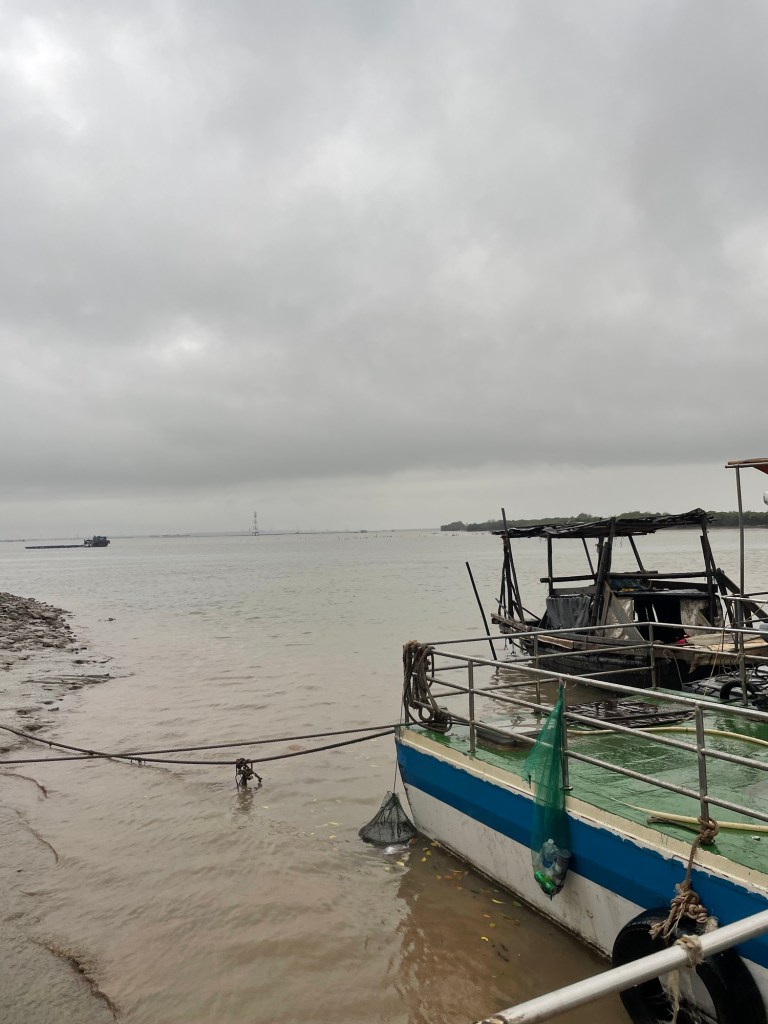
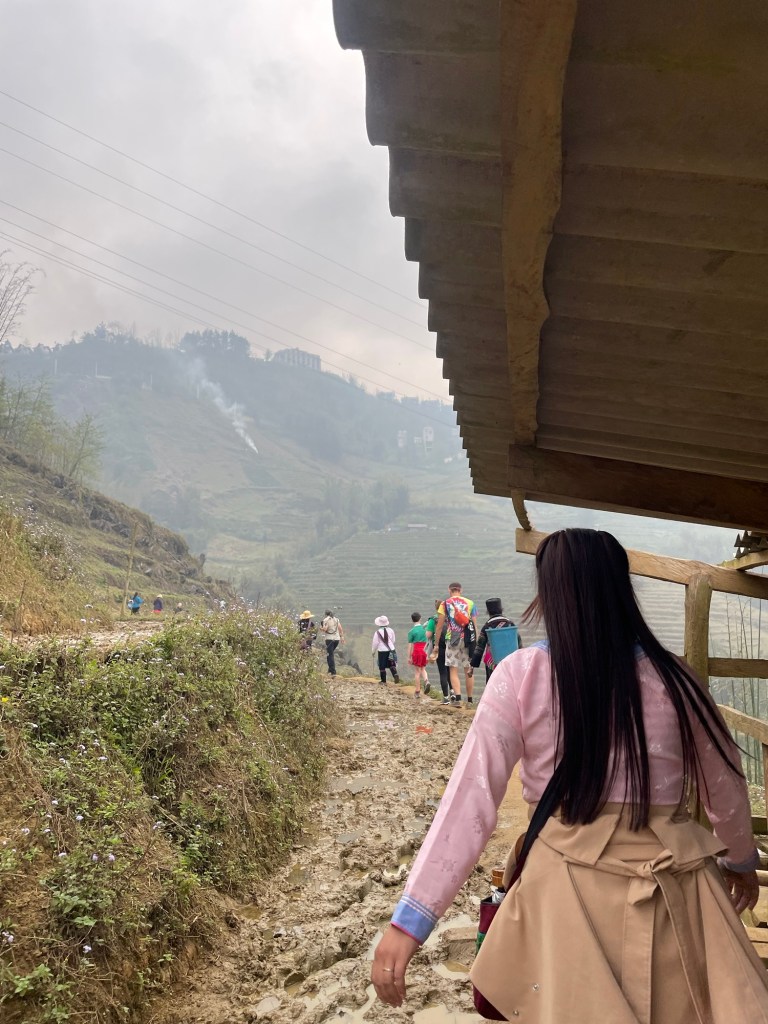
On another note, I have just arrived in Da Nang and started my first day of my two weeks volunteering here, and I am excited to see where this takes me, and what it might inspire within me. I hope to write some things about it in the coming weeks.
Thank you so much for reading x
Becker, J. (2024) John Berger on publicity (1972), Becoming Minimalist. Available at: https://www.becomingminimalist.com/john-berger-on-publicity/ (Accessed: 25 March 2024).
Debord, G. (1970) The Society of the Spectacle. Available at: https://monoskop.org/images/e/e4/Debord_Guy_Society_of_the_Spectacle_1970.pdf (Accessed: 25 March 2024).
 SED Artist
Leave a comment